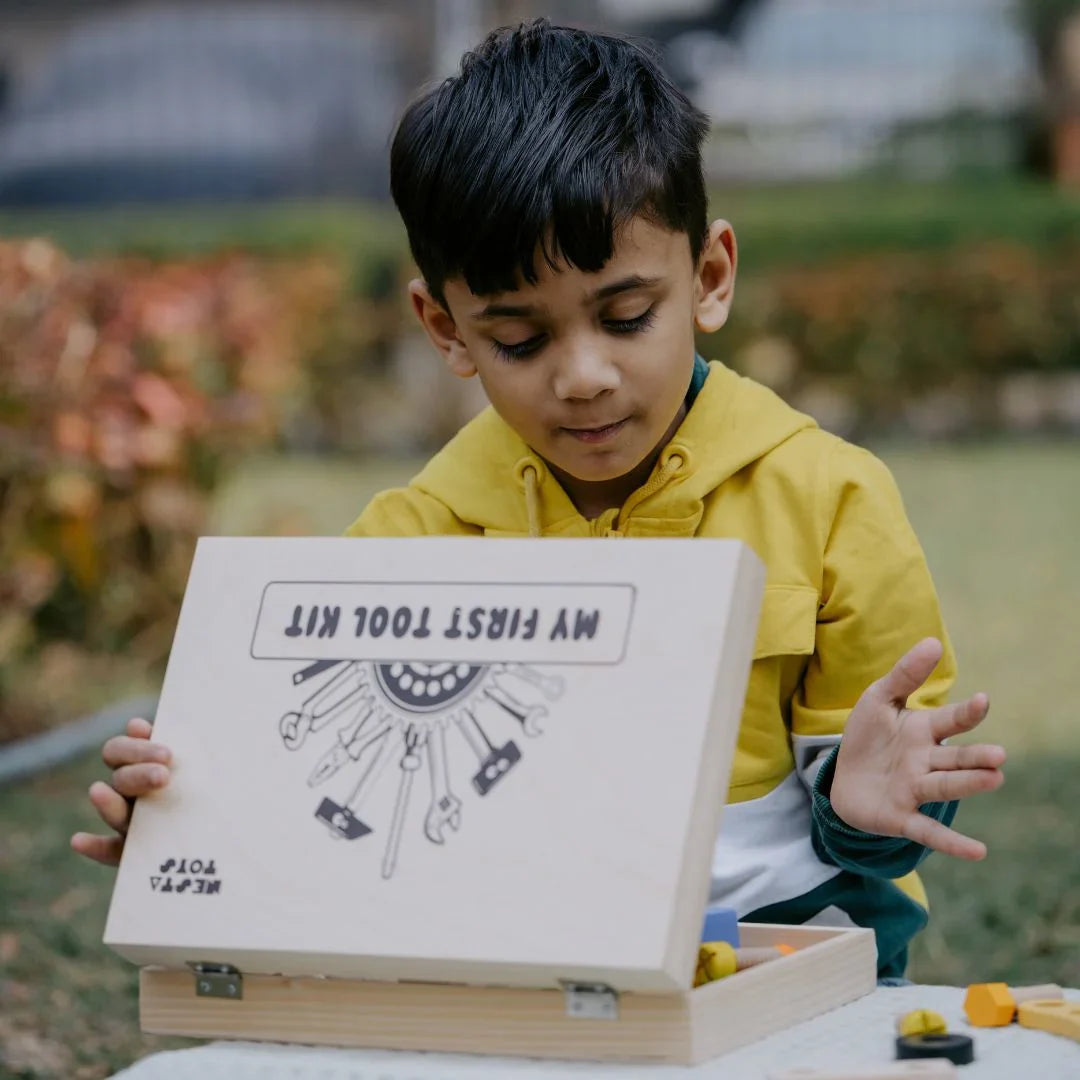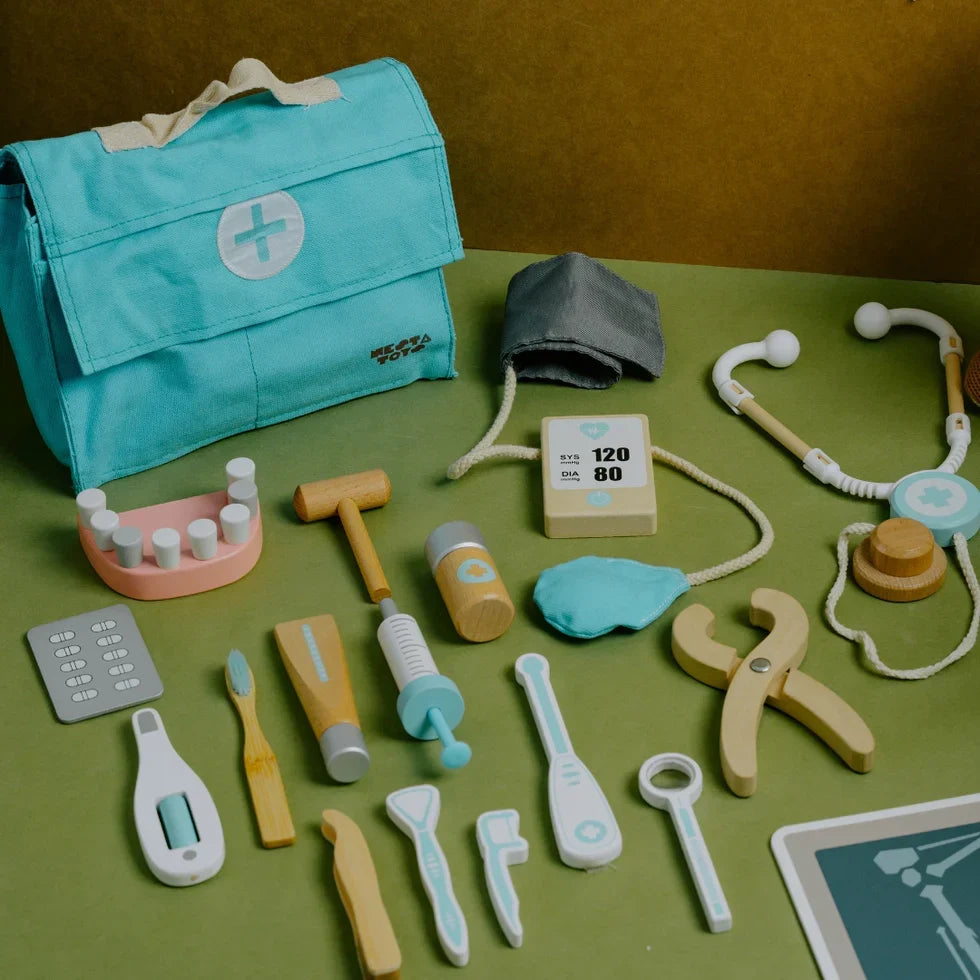

If your child reaches for a screen the moment they're bored, you're not alone. In households across the world, YouTube has quietly become the default babysitter and for good reason. It's convenient, it works, and it buys parents a few minutes of peace.
But here's what most parenting advice gets wrong: the solution isn't taking the screen away. It's replacing what the screen offers. And that's exactly what this guide is about.
At NESTA TOYS, we've spent years thinking about how children learn, play, and grow. This blog answers the questions parents ask us most and gives you a clear, practical path forward.
Why Do Kids Get Hooked on YouTube in the First Place?
To reduce screen time, you first need to understand why it's so powerful. YouTube isn't just a platform- it's an experience engineered to be impossible to stop. Every video ends with an autoplay. Every thumbnail is designed to feel more exciting than the last. The colours are vivid, the pacing is fast, and the dopamine hit is instant.
For a child's developing brain, this kind of effortless stimulation is deeply appealing. There's no waiting, no confusion, no frustration - just constant reward. It's not a character flaw that your child loves it. It's the natural response to something that was built to be addictive.
The good news? Knowing this tells us exactly what we need to do. We don't need to make screens less fun - we need to make play more engaging.
Is It Okay to Use Screens When You're Busy?
Yes. Full stop. Parenting is not a performance. You are managing work, meals, relationships, and a thousand other things simultaneously. Handing your child a device to get ten minutes of breathing room is not bad parenting - it's survival.
The question isn't whether to use screens at all. It's whether your child has something worth reaching for when the screen isn't available. That's the real goal: building an environment where play feels just as good as YouTube.
Why Does My Child Prefer Screens Over Toys?
This is one of the most common questions we hear at NESTA TOYS and the answer is simpler than most parents expect.
Screens are passive. They do the work for the child. Toys, by contrast, require effort: imagination, problem-solving, trial and error. If a toy doesn't offer enough of a challenge — or too much of one — children give up quickly and reach for the nearest screen.
The real issue isn't the toy. It's the type of toy. Most off-the-shelf toys are designed to be played with one way. Once a child figures that out, there's nothing left to explore. The screen, by comparison, never runs out of content.
What Kind of Play Actually Keeps Children Engaged?
The secret is something child development researchers call the 'zone of proximal development' — the sweet spot where a task is just slightly above a child's current ability. Not too easy (boring), not too hard (frustrating), but just challenging enough to keep them trying.
When children hit this zone, something remarkable happens. They don't want to stop. They keep trying, failing, adjusting, and trying again — not because someone told them to, but because they're genuinely hooked on the process of figuring it out.
This is exactly what great toys should create: a loop of challenge and discovery that keeps children coming back on their own.
Open-ended toys are the key
Unlike single-use toys that do everything for the child, open-ended toys can be used in hundreds of different ways. A good set of building blocks isn't one toy — it's a tower, a bridge, a city, a spaceship, a fence. Every session is different, which means every session feels new.
At NESTA TOYS, this is the philosophy behind everything we design. Our toys are built to grow with the child — offering new possibilities as their skills and imagination develop.
How to Reduce Screen Time Without Constant Fights
The worst approach is to remove YouTube suddenly. It creates resistance, arguments, and a child who now wants the screen even more. The better strategy is gradual replacement — not removal.
Here's what actually works:
- Introduce the new toy or activity before you take the screen away. Let it compete on its own merits.
- Play alongside your child for the first few minutes. Your attention is the most powerful engagement trigger there is.
- Choose toys that are open-ended and slightly challenging. If the toy is too simple, it won't hold attention.
- Don't aim for zero screen time. Aim for balance where play becomes a preference, not a punishment.
When children find something genuinely exciting to do, the conversation about screens changes completely. It's no longer about rules. It's about what they'd rather be doing.
Do I Need to Buy More Toys?
Not necessarily. More toys often makes the problem worse - too many options can be just as overwhelming as too few. Children don't need more; they need better.
One high-quality, open-ended toy that challenges your child's thinking will do more than a shelf full of single-use gadgets. The goal is depth of engagement, not volume of options.
At NESTA TOYS, we design with this in mind. Each toy is built to offer months sometimes years of meaningful play, because the best investment is something your child won't outgrow in a week.
The Bottom Line
Screen time is not the enemy. Boredom without alternatives is. When children have access to play that challenges, excites, and rewards their effort, YouTube naturally becomes less important not because it was taken away, but because something better came along.
That's the NESTA TOYS promise: toys that are genuinely worth putting the phone down for.
Ready to make the switch? Explore NESTA TOYS and find the right play for your child's age and stage.